
Current Situation
- WHO confirmed an Andes virus outbreak on a cruise ship.
- Public risk remains VERY LOW.
- Health agencies are actively monitoring the situation.
What is Hantavirus?
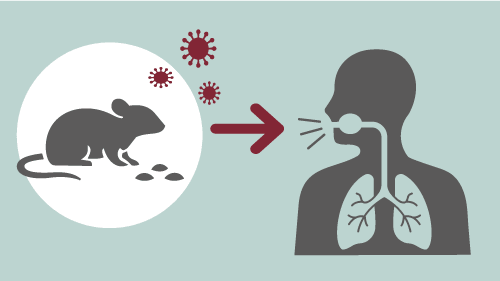
Hantaviruses are a group of viruses typically carried by rodents, like rats and mice. There are more than 40 known hantavirus species that have been identified worldwide, but only a limited number are known to cause disease in humans.
How does Hantavirus spread?
Hantavirus is most commonly spread to people by exposure to droppings, urine, saliva or nesting of infected rodents, and more rarely through a rodent bite or scratch. The Andes virus is the only type of hantavirus known to spread human-to-human. This spread is rare and limited to people who have close contact with an ill person. Close contact includes:
- Direct physical contact
- Prolonged time spent in close or enclosed spaces
- Exposure to the infected person’s bodily fluids
How does Hantavirus impact humans?
Hantavirus disease is extremely rare in the United States. On average, there are about 30 cases each year. Hantaviruses that infect humans can cause severe respiratory and kidney diseases.
Hantavirus Pulmonary Syndrome (HPS)
- Respiratory illness
- Affects the lungs
- Found in North, Central, and South America (including the U.S.)
- In the U.S., the most common HPS virus is spread by the deer mouse
Hemorrhagic Fever with Renal Syndrome (HFRS)
- Affects the kidneys
- More common in Asia and Europe
- Rare in the U.S.
What are the symptoms of HPS?
Signs and symptoms of HPS appear between 4 to 42 days after exposure.
EARLY SYMPTOMS
- Fatigue
- Fever
- Muscle aches: In large muscle groups like thighs, hips, and back
- Headaches
- Dizziness
- Chills
- Abdominal issues: Nausea, vomiting, diarrhea, and abdominal pain
LATE SYMPTOMS (4–10 DAYS AFTER INITIAL ILLNESS)
- Coughing
- Shortness of breath
Typically, people are only infectious while they have symptoms. Early medical care is critical, as symptoms may develop rapidly.
How can I protect myself, my family, and my community?
You can reduce your risk of exposure to hantavirus by preventing contact with rodents and their droppings, urine, saliva, or nesting materials. Eliminate or minimize contact with rodents in your home, workplace, or campsite by sealing holes and gaps to keep rodents from entering your living space.
If you must clean up rodent droppings, urine, or nesting materials:
- Ventilate: open doors and windows before cleaning
- Wear protection: wear a well-fitted mask, goggles, and gloves (rubber, latex, vinyl)
- Spray and soak: thoroughly spray with disinfectant (e.g., bleach solution) and wait 5 minutes
- Wipe up: Use paper towels to wipe up soaked droppings. DO NOT vacuum or sweep — this can cause viruses to get into the air
- Dispose: double bag, seal, and place in outdoor trash bins
- Disinfect: after disposing of rodent materials, thoroughly spray the general area with disinfectant and wait 5 minutes to wipe area clean
- Wash hands: always thoroughly clean hands with soap and water
What should I do if I think I was exposed to Hantavirus?
- If you suspect hantavirus disease, see a physician immediately and mention a potential exposure to hantavirus
- Diagnosing hantavirus disease in a person who has been infected less than 72 hours is difficult
- Symptoms may be similar to the flu
References
- Hantavirus. World Health Organization. Published May 6, 2026. https://www.who.int/news-room/fact-sheets/detail/hantavirus
- Andes Virus Outbreak on a Cruise Ship: Current Situation. CDC. Published May 12, 2026. https://www.cdc.gov/hantavirus/situation-summary/index.html
- About Hantavirus. CDC. Published May 13, 2024. https://www.cdc.gov/hantavirus/about/index.html
- Hantavirus Prevention. CDC. Published May 13, 2024. https://www.cdc.gov/hantavirus/prevention/index.html
- How to Clean Up After Rodents. CDC. Published April 8, 2024. https://www.cdc.gov/healthy-pets/rodent-control/clean-up.html