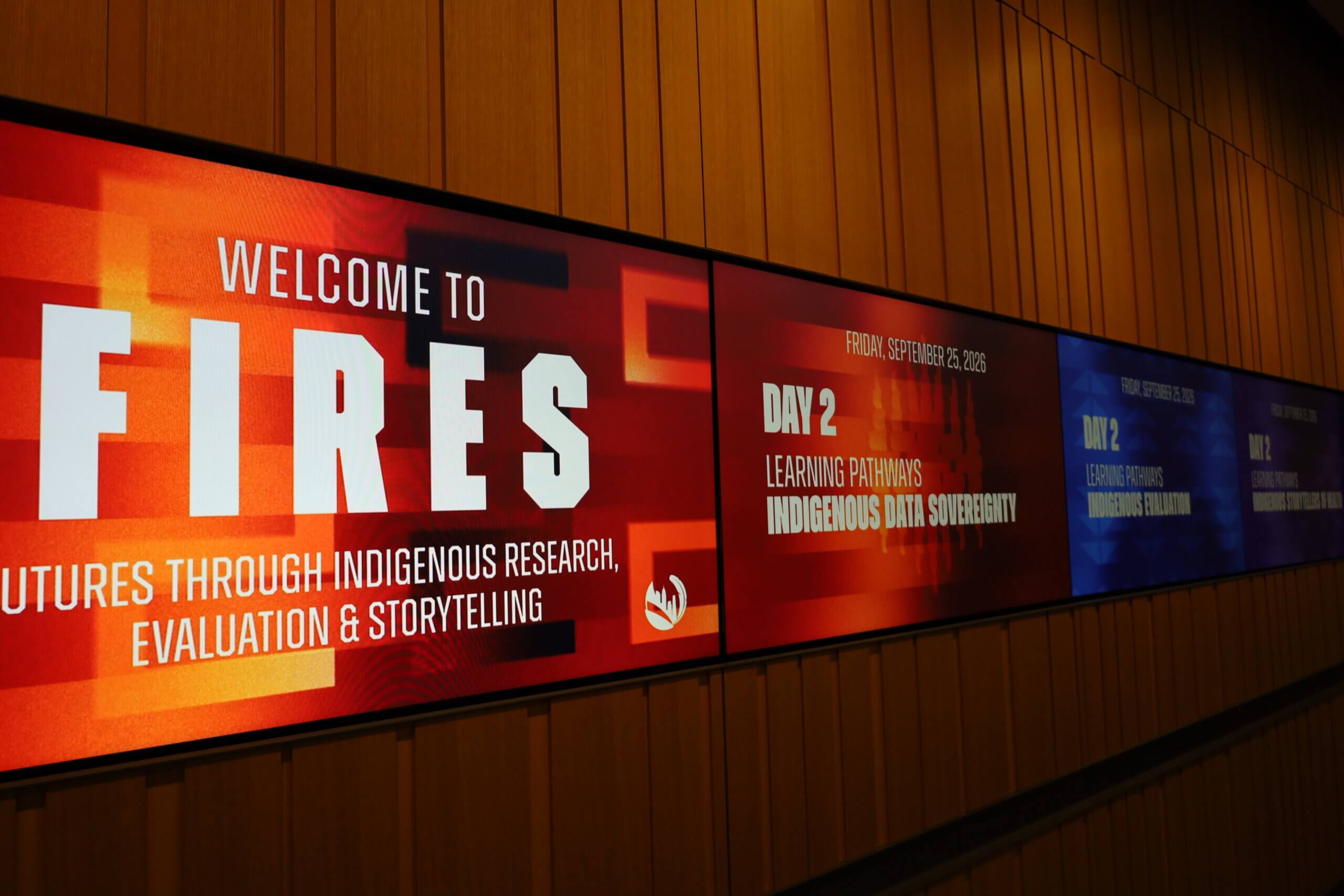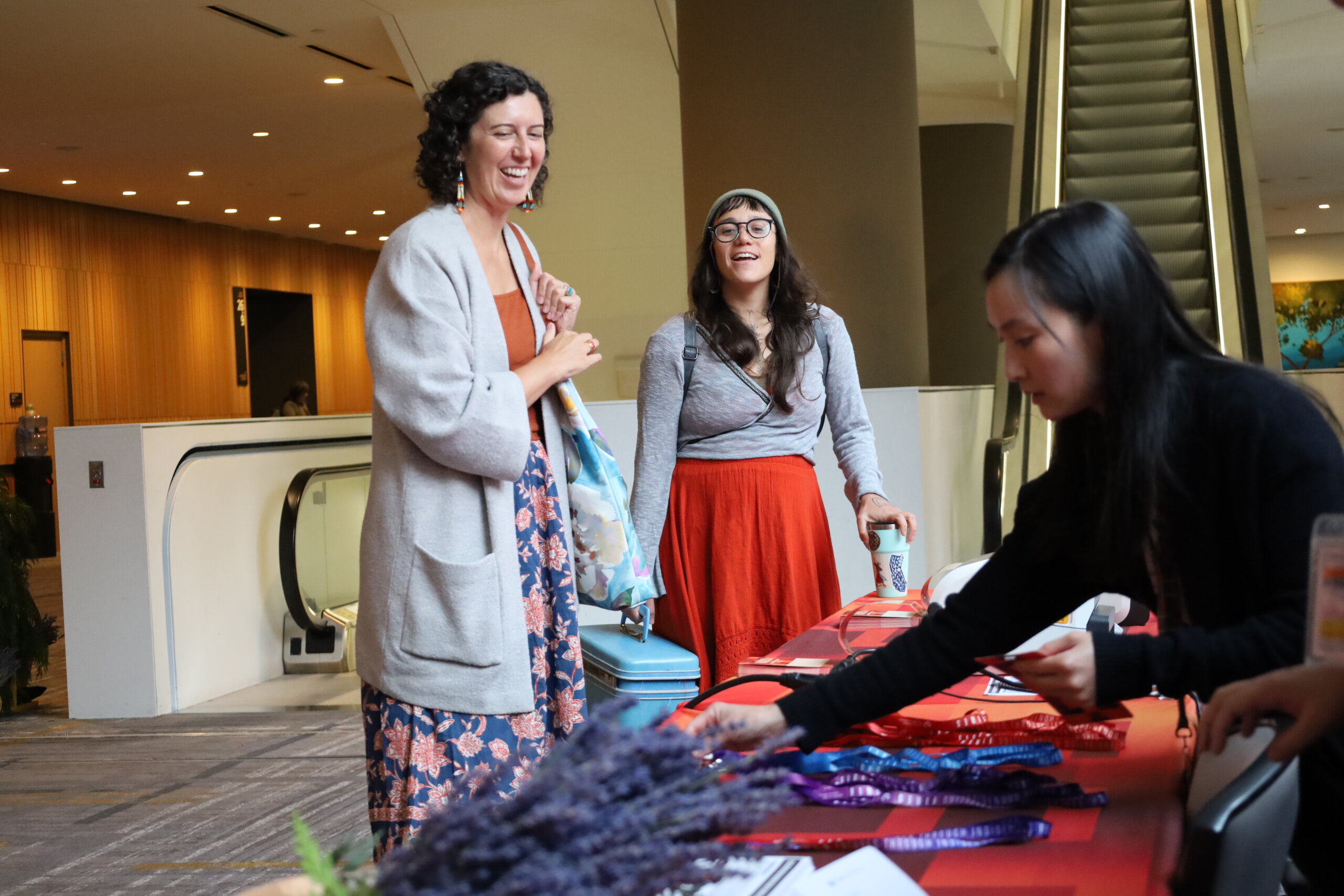
That’s a wrap on UIHI’s inaugural FIRES Conference!
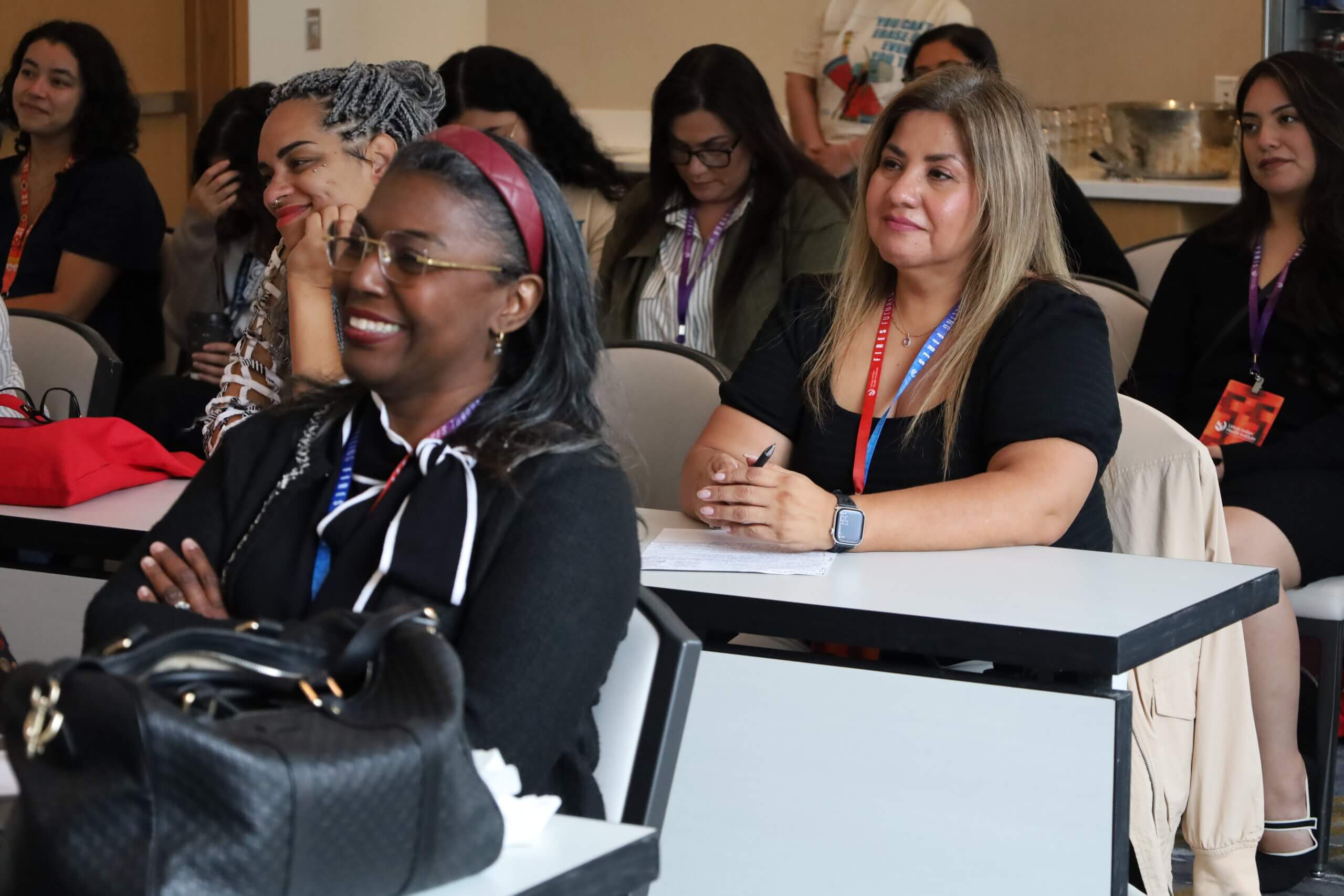
On September 24-25, over 100 participants representing health care systems, academic institutions, government agencies, community organizations, tribal nations, and Urban Indian Organizations, gathered in Seattle for the first-ever FIRES Conference. FIRES (Futures through Indigenous Research, Evaluation, and Storytelling) invited participants to explore how Indigenous frameworks are transforming public health, research, and evaluation across Indian Country.
Designed primarily for non-Indigenous organizations working with Indigenous communities, FIRES created an opportunity to learn directly from Indigenous researchers, public health practitioners, and community leaders. Indigenous participants were also welcomed into the space, creating an environment for shared learning, relationship-building, and meaningful dialogue.
FIRES challenged participants to rethink conventional approaches to research and evaluation while exploring Indigenous-led frameworks grounded in sovereignty, relationships, and community knowledge. Anchored in the themes of Fire, Water, and Rejuvenation, attendees gained practical tools and guidance for applying Indigenous frameworks to their work.
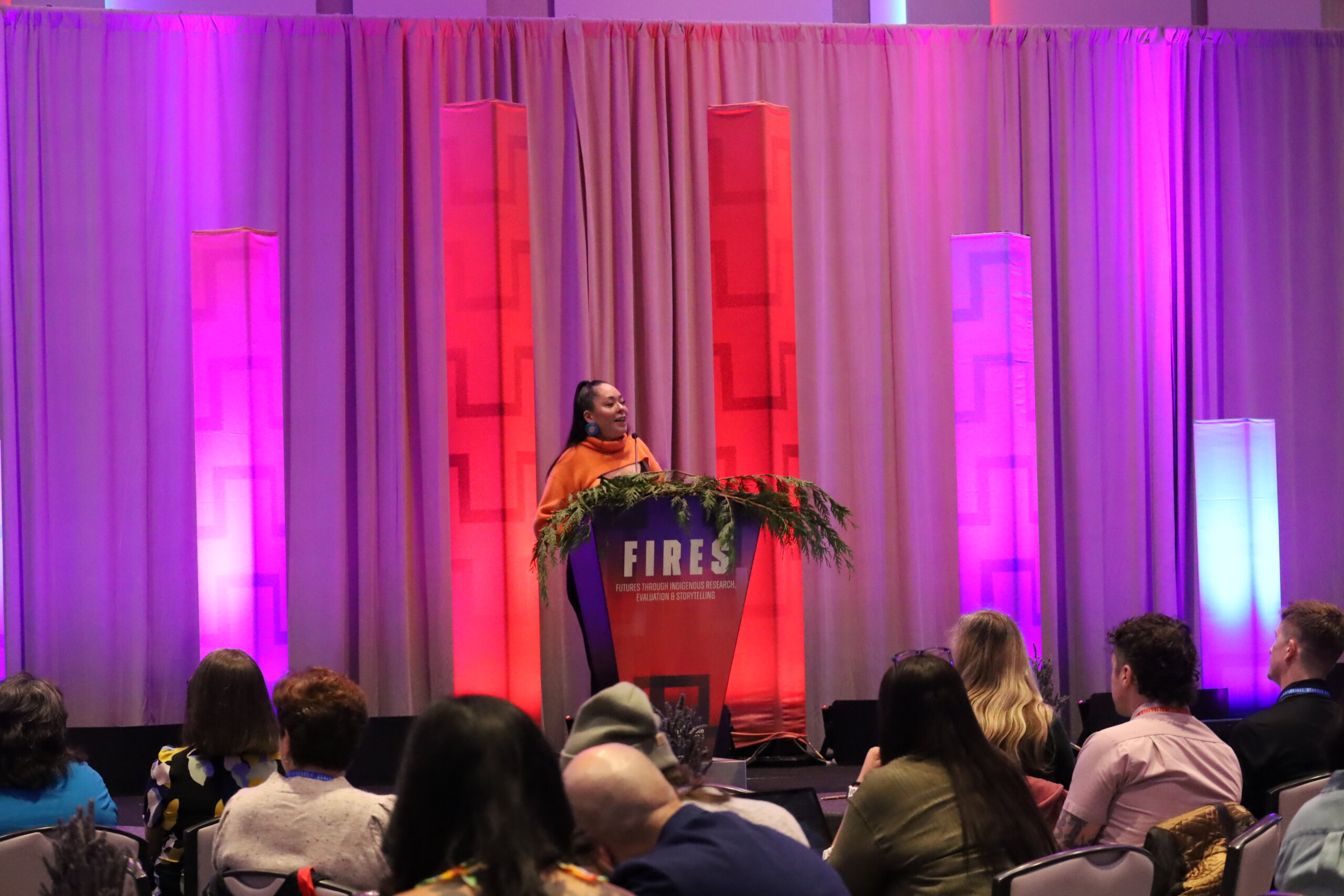
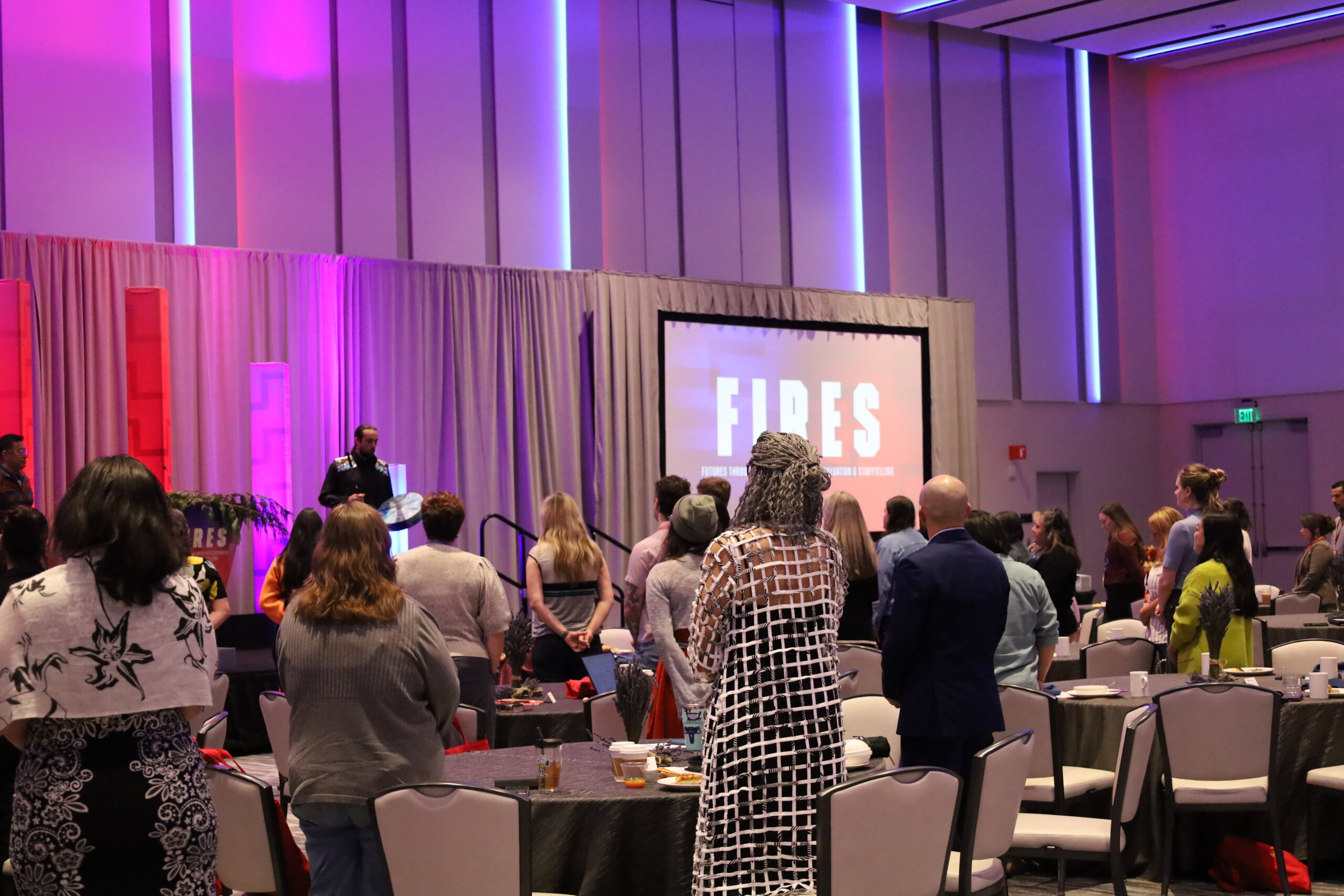
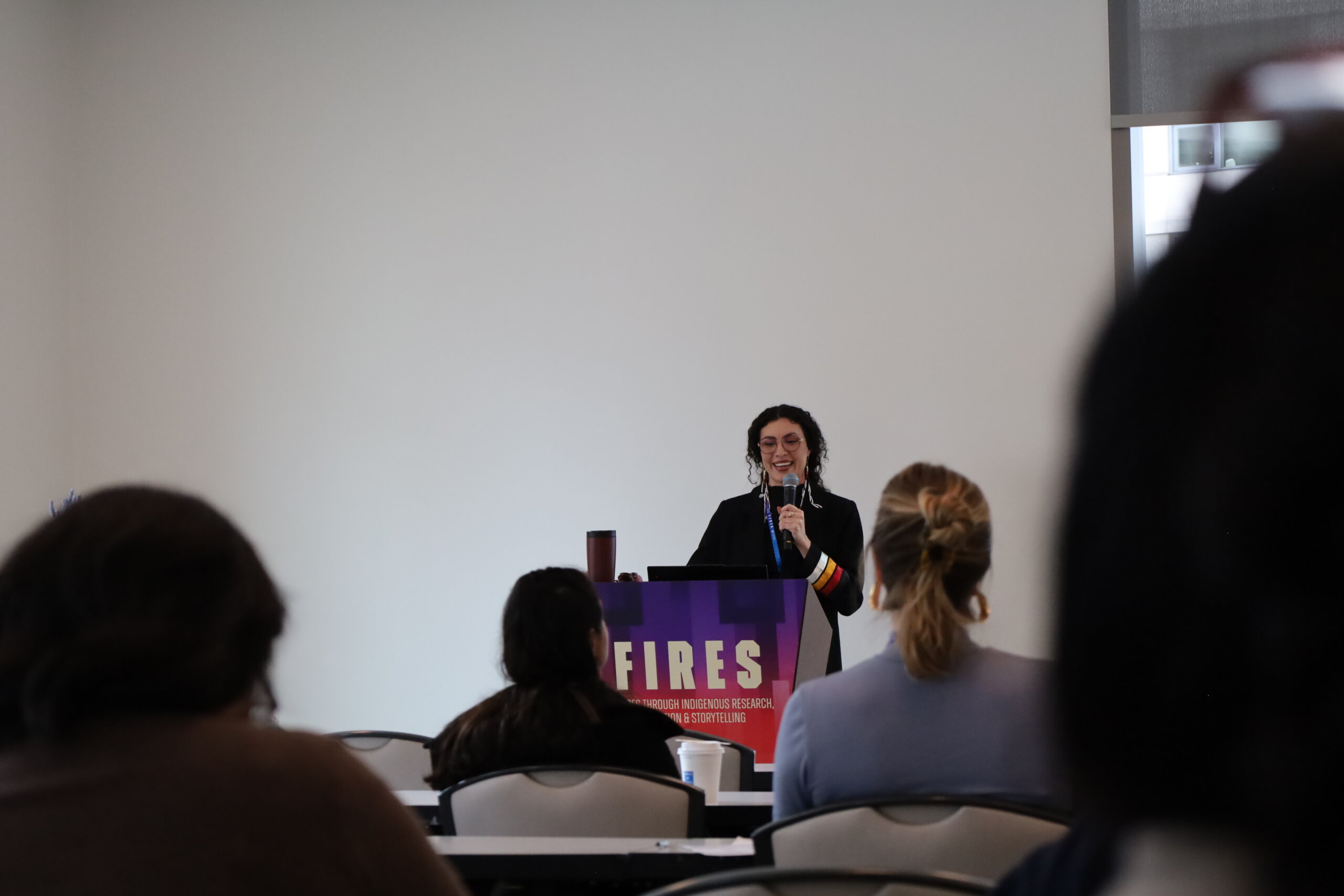
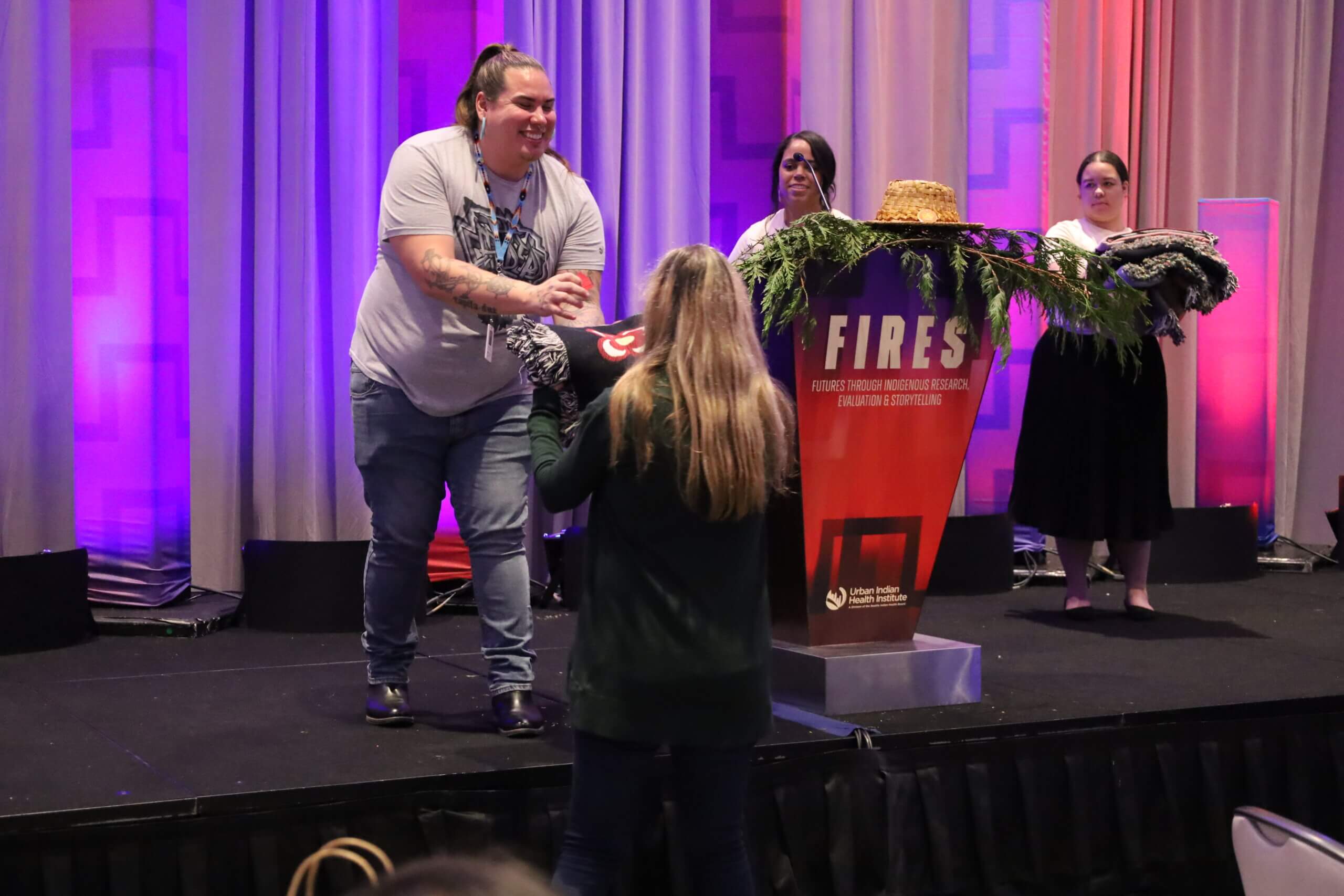
The conference opened in a good way with a blessing from a Duwamish Traditional Indian Medicine apprentice, welcoming participants to a space for cultural exchange. Keynote speaker Abigail Echo-Hawk (Pawnee), Director of the Urban Indian Health Institute, challenged participants to examine how historical and contemporary systems continue to shape Indigenous health and research. She spoke about the ways funding and evaluation structures often require Indigenous communities to measure outcomes defined by others while remaining dependent on external approval and resources.
Abigail emphasized that Indigenous evaluation must move beyond documenting disparities and instead support transformation; encouraging attendees to question whether existing systems are creating meaningful change or reinforcing longstanding inequities. Her message set the tone for a day focused on Indigenous self-determination, community knowledge, and systems change.
Keynote from Abigail Echo-Hawk (Pawnee), opening blessing
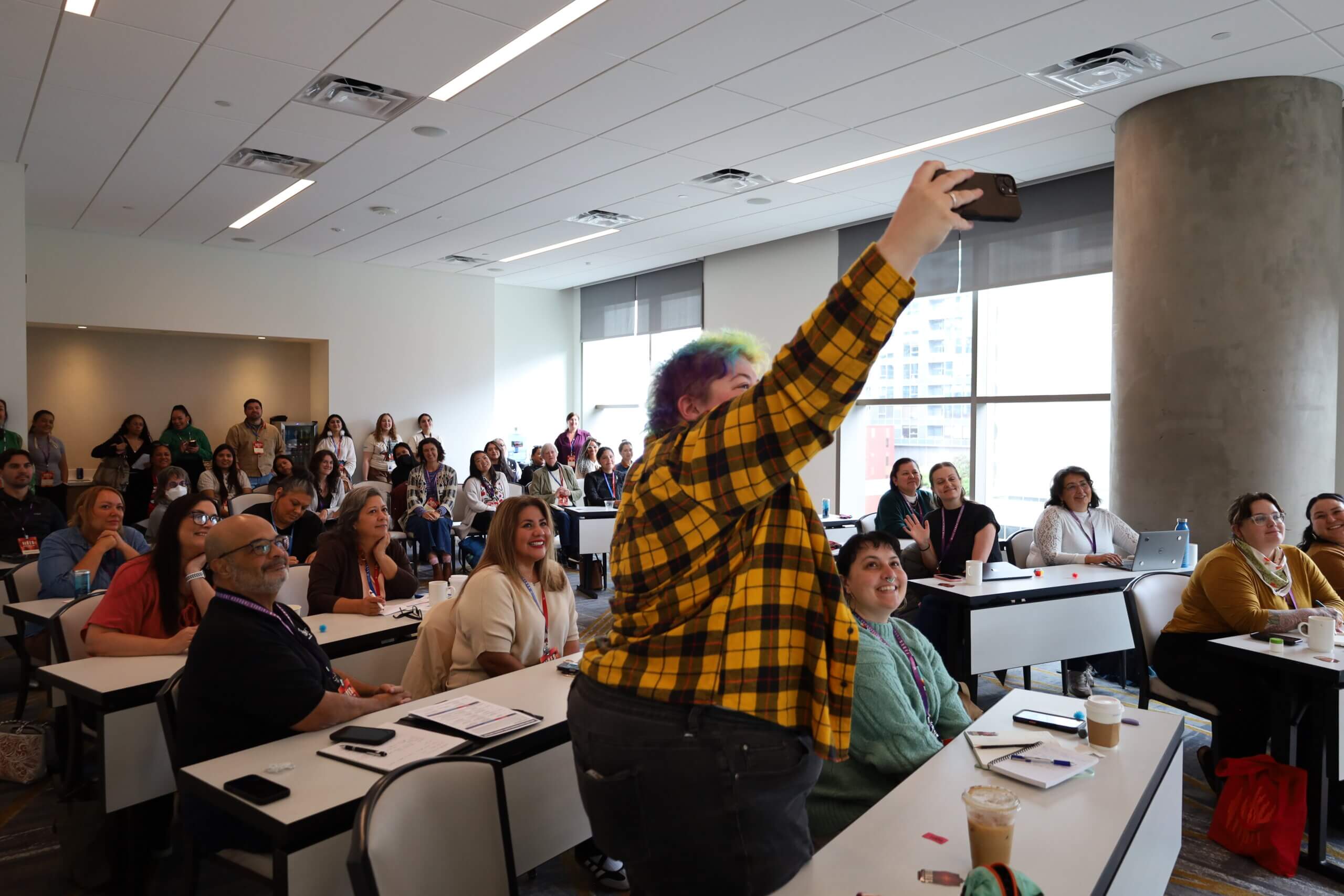
Participants immersed themselves in one of three pathways designed to explore how Indigenous frameworks can transform research, evaluation, and public health practice.
Fire: Reclaiming Indigenous Data Sovereignty
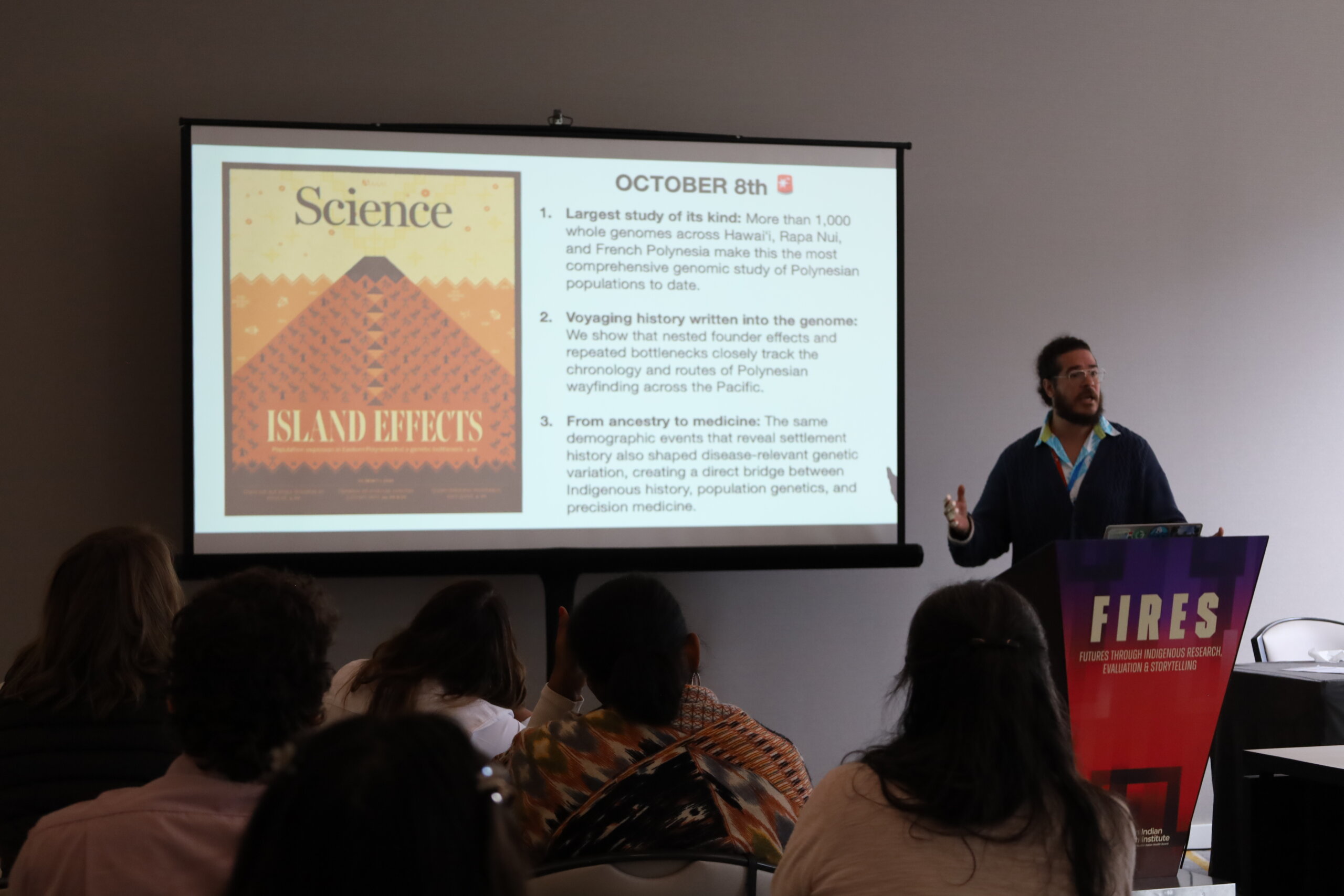
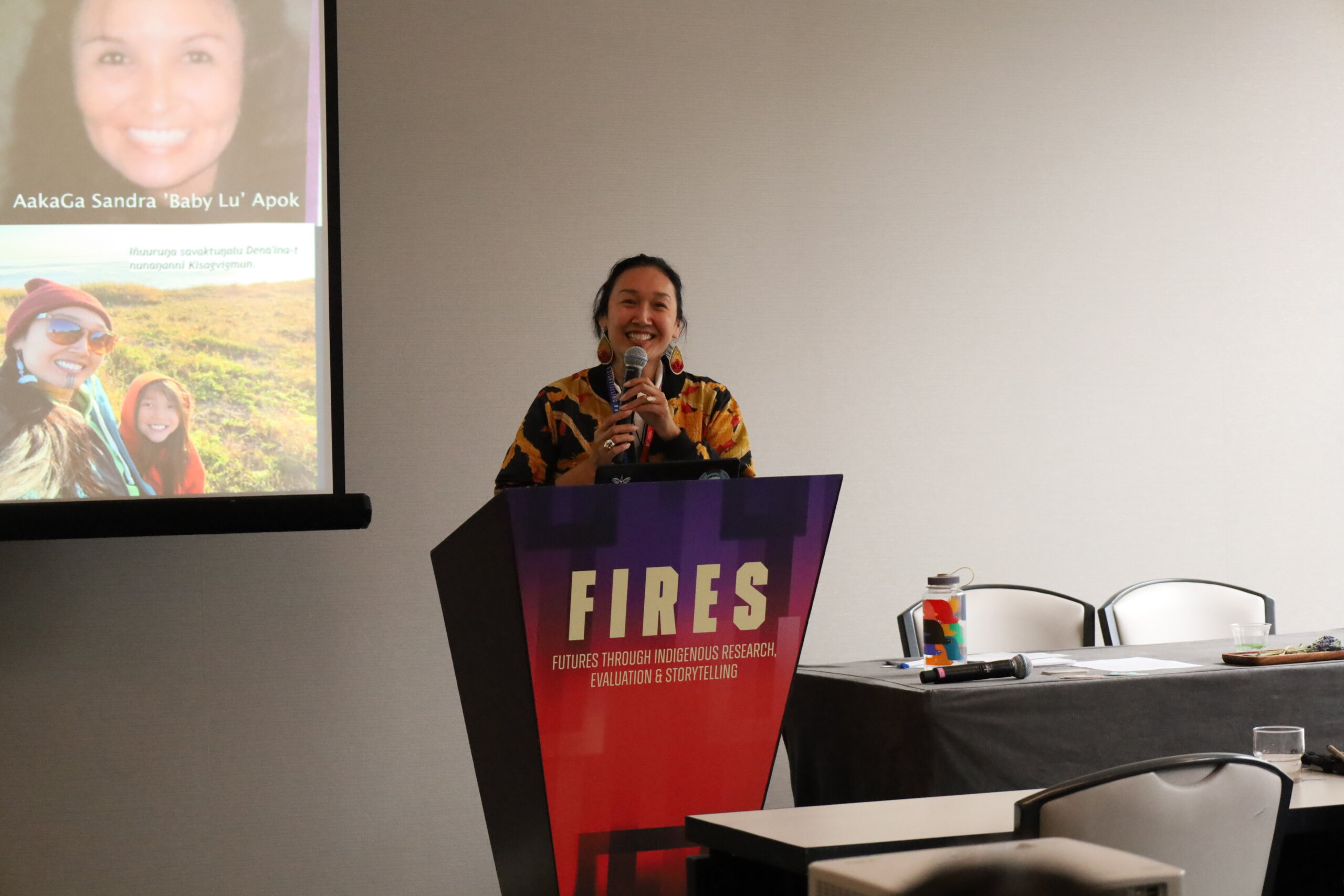
Drawing on Indigenous fire-keeping practices that clear the way for new growth, presenters explored Indigenous data sovereignty as the inherent right of Native peoples to govern and steward their own data. Discussions focused on strengthening protections, building respectful partnerships, and advancing systems that honor Tribal sovereignty and Indigenous knowledge.
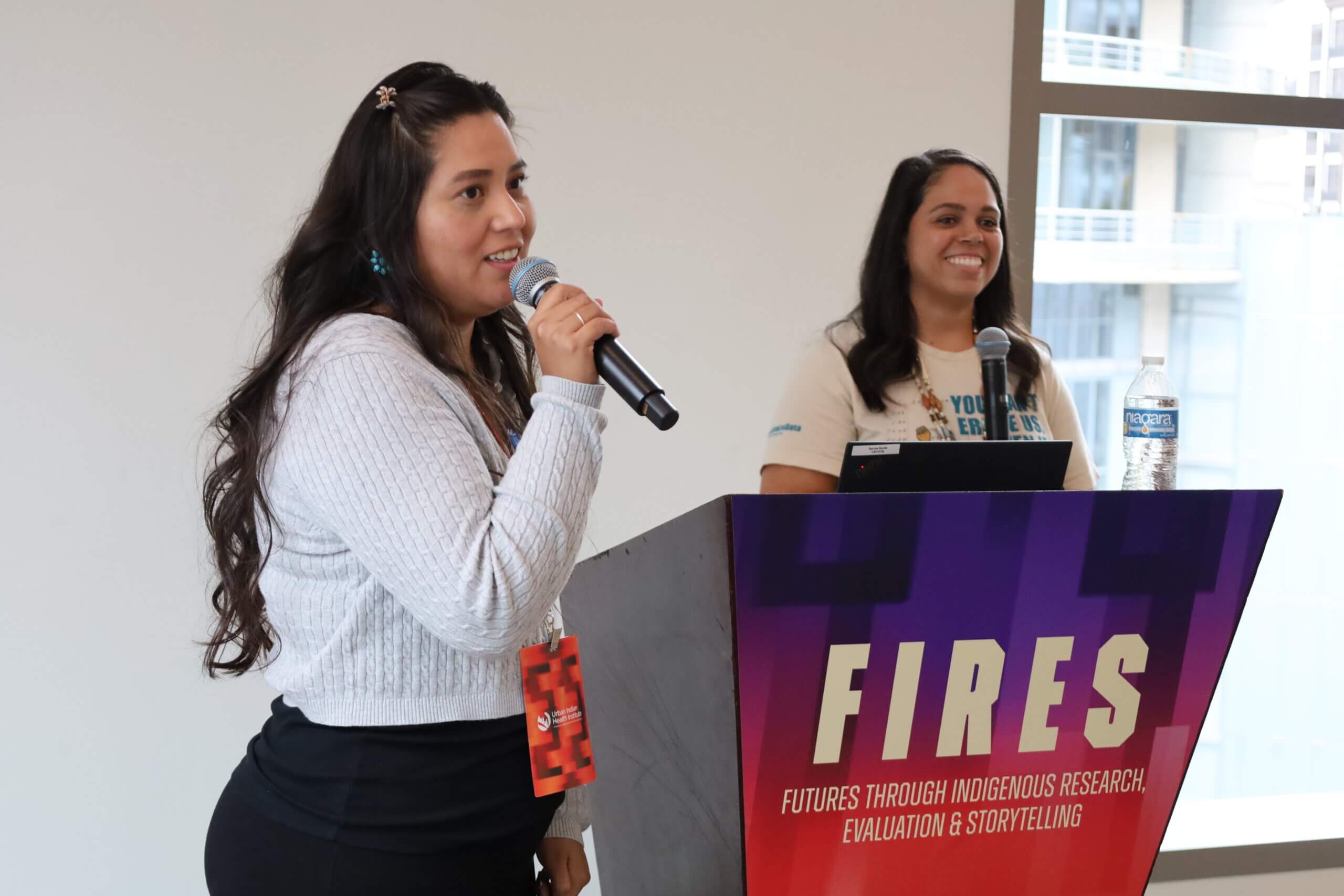
Dr. Kelou Fox, Dr. Charlene Aqpik Apok presenting.
Water: Centering Indigenous Evaluation
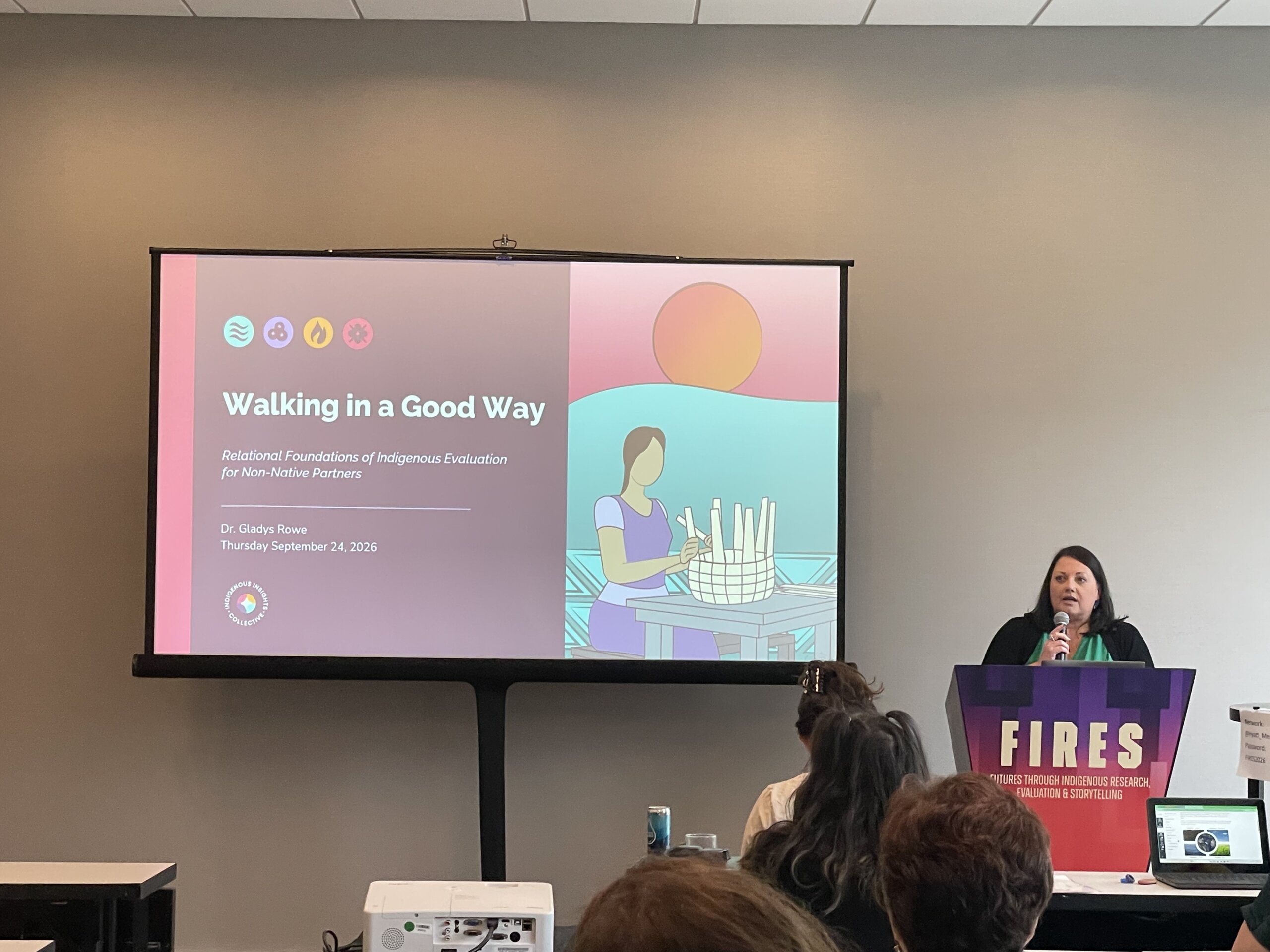
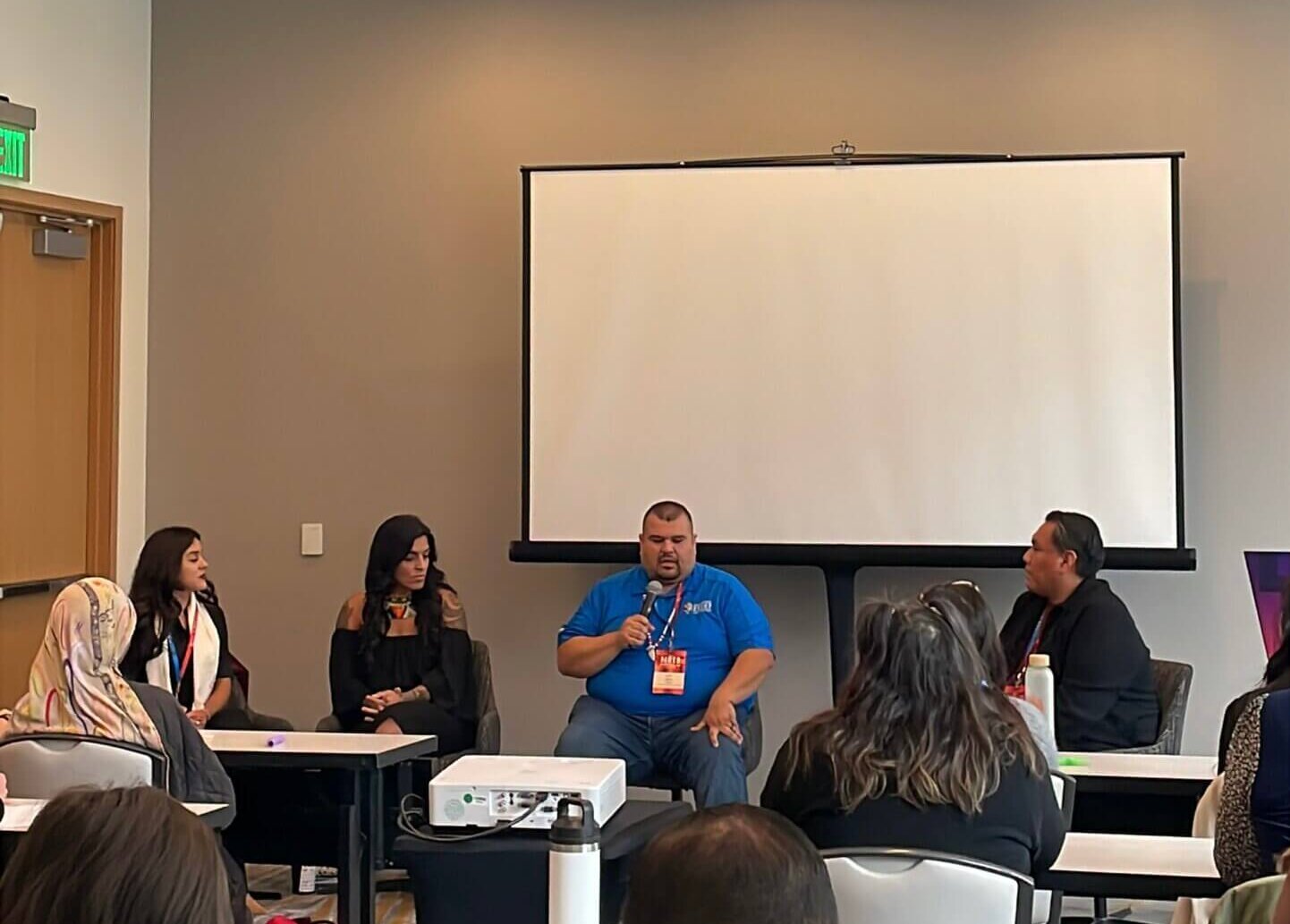
Like water, Indigenous evaluation is living, adaptive, and connects communities. This pathway highlighted Indigenous evaluation frameworks that center community perspectives, strength-based methodologies, and responsible data stewardship.
Dr. Gladys Rowe presenting & panelists Briana Pocaigue, Elena Seymana Nourrie, and Johnny Delgado.
Rejuvenation: The Power of Indigenous Storytelling
Presenters explored storytelling as a tool for sharing knowledge, strengthening community well-being, and carrying teachings across generations. Participants learned how Indigenous storytelling can be integrated into their work in ways that respect and uplift Indigenous voices.
Haily Augustine, Sacena Gurule, & Margaret Falliano presenting for storytellers of health.
While each pathway approached the work from a different perspective, all shared a common goal: strengthening Indigenous self-determination and creating systems that better serve Native peoples.
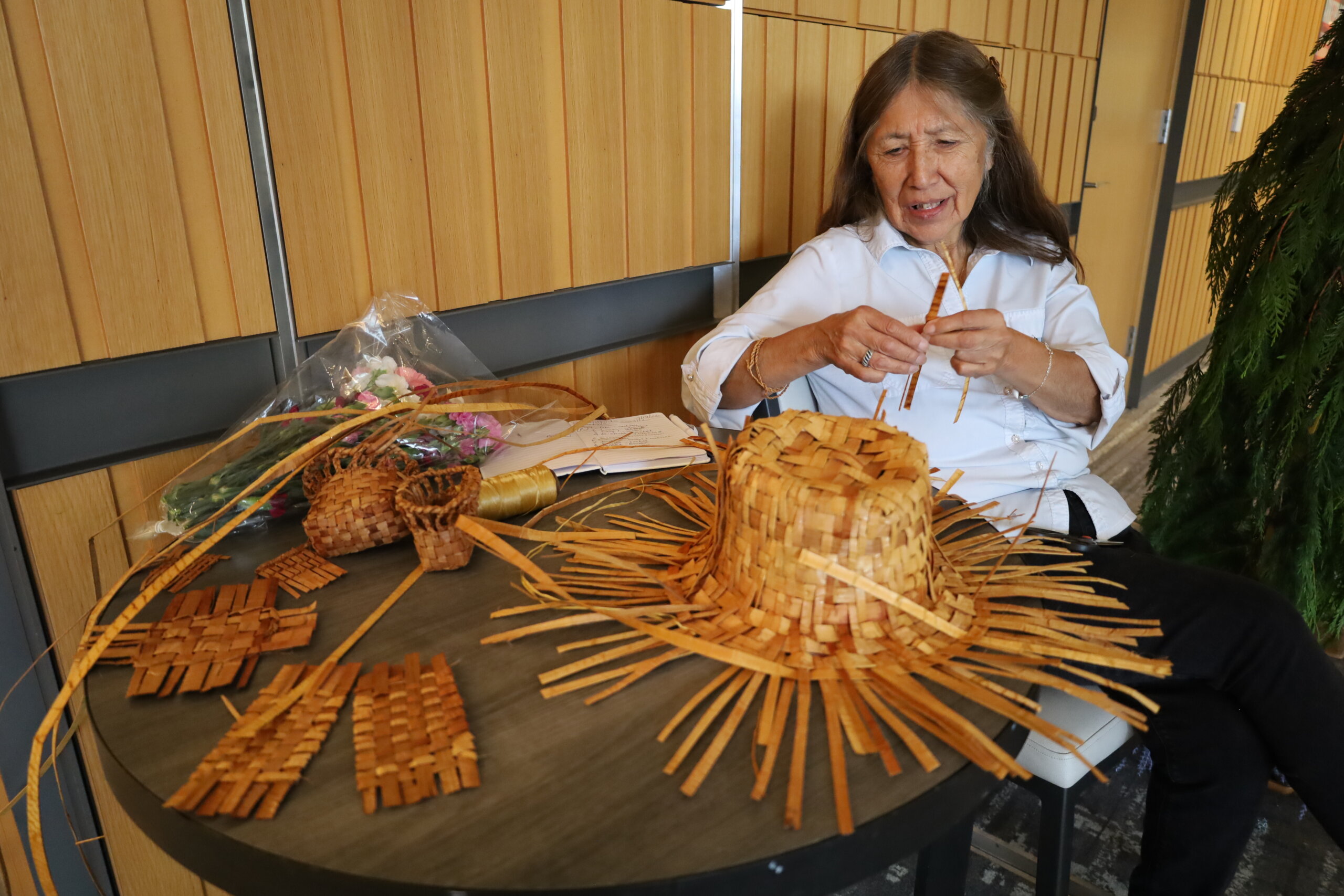
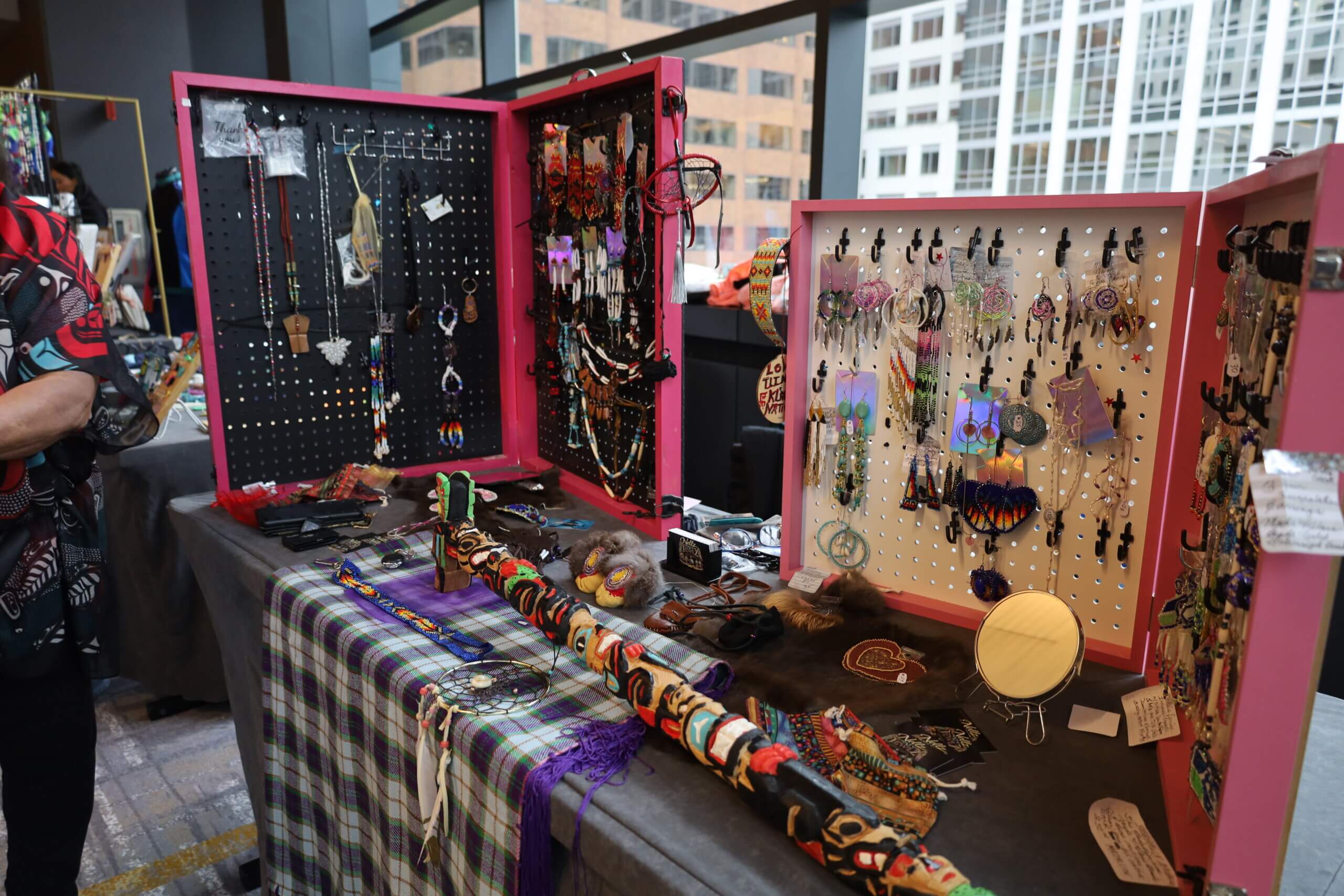
FIRES was also an opportunity to celebrate the local Indigenous community. Between sessions, attendees visited an Indigenous vendor marketplace featuring Native artists and participated in a live cedar-weaving demonstration led by Theresa Parker (Makah), where they learned about the art form and created their own cedar bracelets.
Makah cedar weaver Theresa Parker, Indigenous vendor market.
FIRES created a space for Indigenous knowledge to be shared, strengthened, and carried forward.
Thank you to the speakers, participants, and partners who helped make FIRES such a meaningful experience. Together, we explored new ideas, strengthened relationships, and affirmed the importance of Indigenous-led approaches to research, evaluation, and storytelling. We look forward to continuing these conversations and building a stronger future together.
Please enter your email address and name below to sign up for our mailing list.